News
From The 40-Year Archives: When The World Paused, We Built Something New
As we’ve been reflecting on 40 years of work at Synergi, certain moments stand out when we had to think differently.
As we’ve been reflecting on 40 years of work at Synergi, certain moments stand out when we had to think differently.
2020 was one of those moments.
Almost overnight, everything slowed. Job sites went quiet, timelines stretched, and like everyone else, Synergi was trying to figure out what came next. But sitting still has never been part of how we operate. The question became: what can we do right now that matters?
“Combatting post-COVID-19 uncertainty in the workplace and beyond is a challenge we must be prepared to meet,” we wrote at the time. “It’s our responsibility to keep our employees safe and healthy upon their return to work and adapting touch surfaces like handrails and door pulls will be one of the main obstacles to consider.”
That thinking became the starting point for something very practical and very real.
That led us to copper.
Because we already worked with copper consistently and understood how it behaves, we weren’t starting from scratch. COVID simply pushed us to look at it through a different lens. Less as a finish, more as a solution for high-touch environments.
The science behind it was hard to ignore. Studies—including those referenced by the CDC—estimate that healthcare-acquired infections affect around two million people in the US each year and contribute to nearly 100,000 deaths annually. And while that statistic is confronting on its own, the reality of transmission is even more direct than most people realize.
Harmful bacteria and fungi can survive on touch surfaces like railings for up to 30 days, transferring from surface to surface—and in many cases, even stainless steel and aluminum surfaces allow them to persist after cleaning.
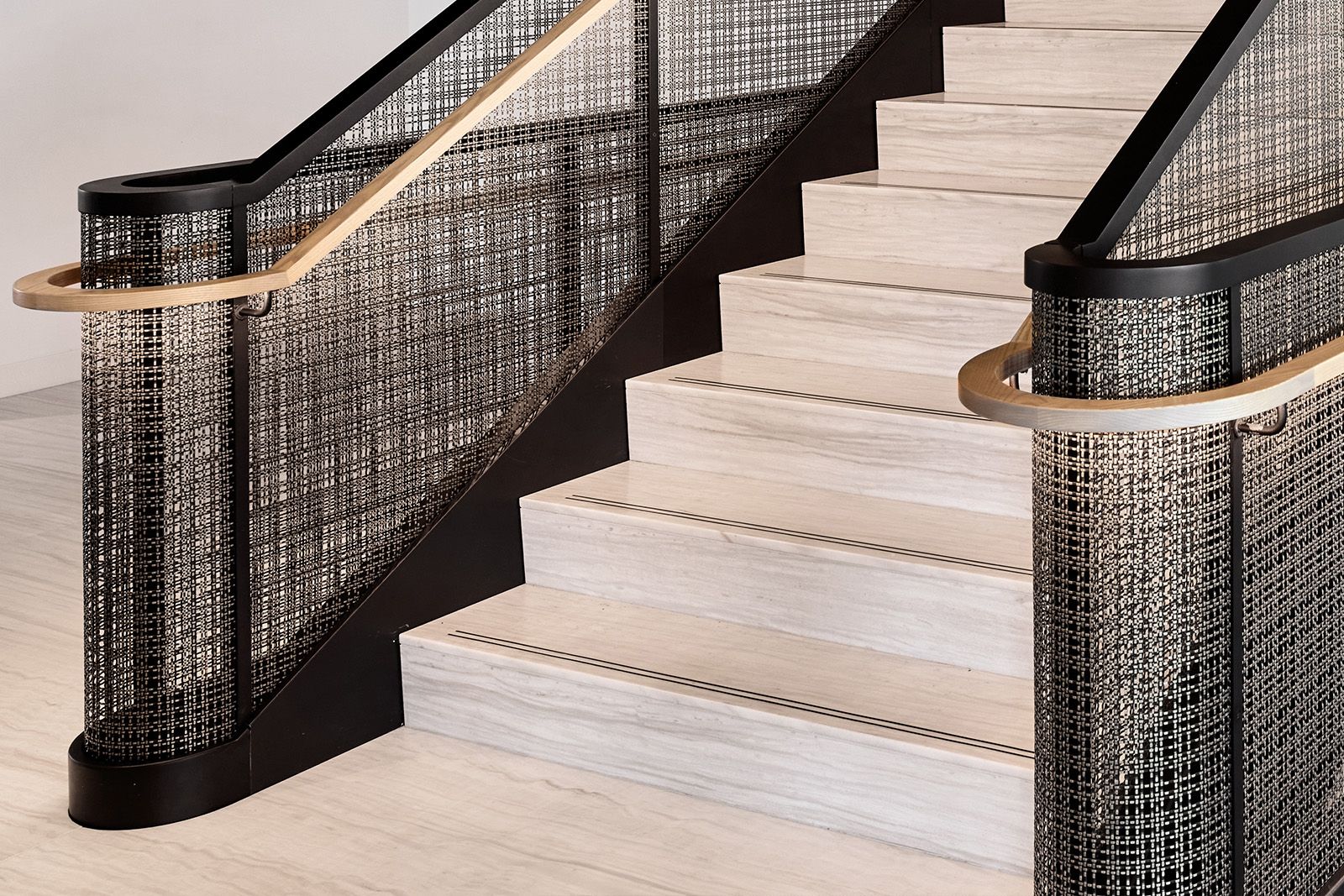
Synergi’s feature stairs at Kirkland & Ellis Chicago
Copper behaves differently.
It naturally destroys a wide range of harmful microorganisms on contact, making it a uniquely effective choice for touch surfaces.
Unlike conventional materials, copper alloys such as bronze and brass actively reduce microbial contamination through a natural antimicrobial process. When microbes land on a copper surface, copper ions attack them, damaging cell membranes, disrupting respiration, and destroying DNA and RNA. Without the ability to repair or mutate, the microbes cannot survive or develop resistance.
In practical terms, copper alloys can reduce live bacteria on surfaces by up to 90%, with research also showing reductions in infection transmission in ICU environments by as much as 58%.
As we put it then: “Copper’s unique antimicrobial properties allow it to kill microbes on contact, preventing the spread of harmful bacteria. In short, copper alloys can kill microbes with extraordinary efficiency, often within a few hours or less.”
This became something we could build.
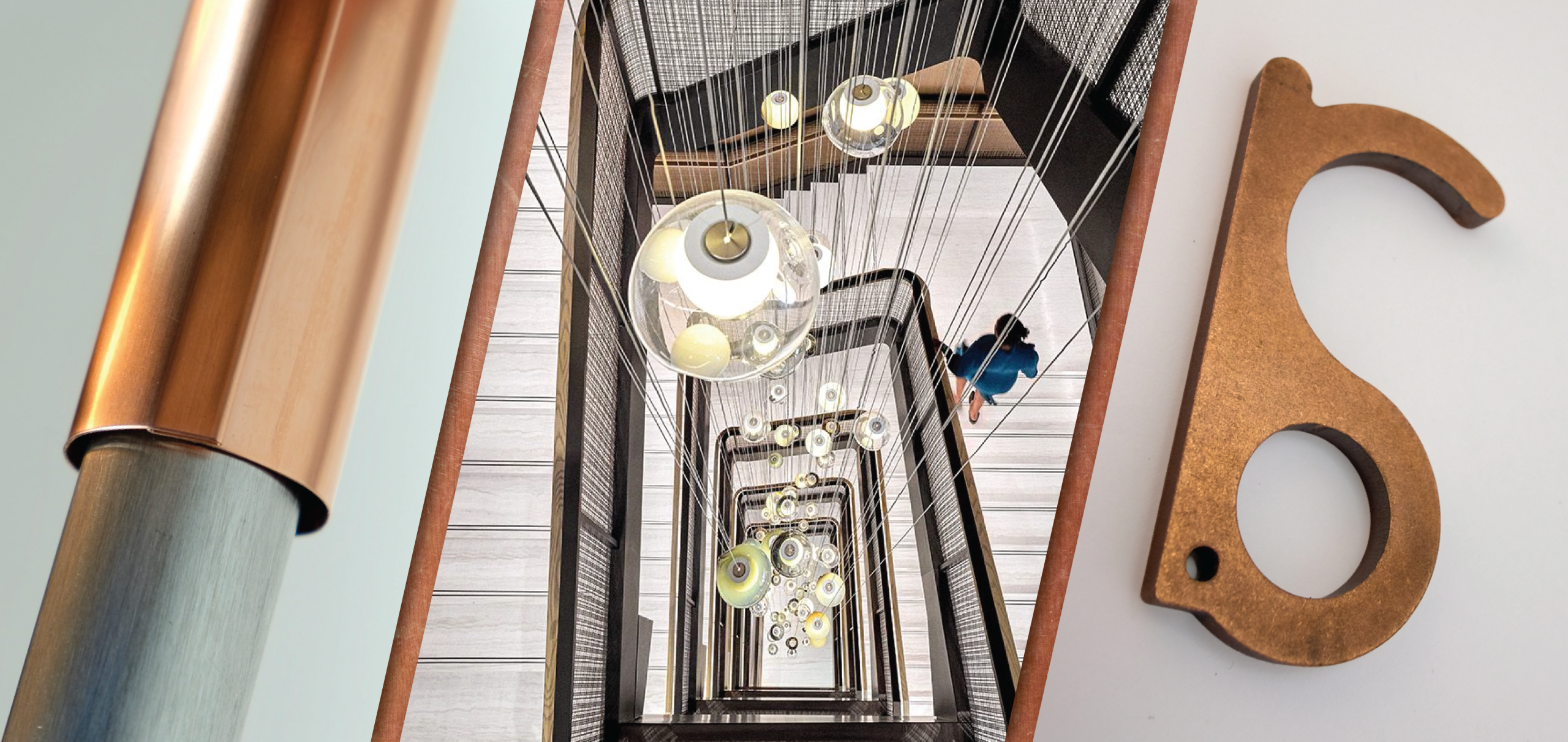
Synergi designed and developed copper-based solutions for high-touch architectural elements: handrails, door pulls, and contact surfaces designed for real-world use. We also explored copper sleeves and zero-contact key solutions—practical interventions designed for a moment when touch itself had become a concern.
What started as a response to a moment of uncertainty became a broader way of thinking about material performance—not just how something looks, but what it does.
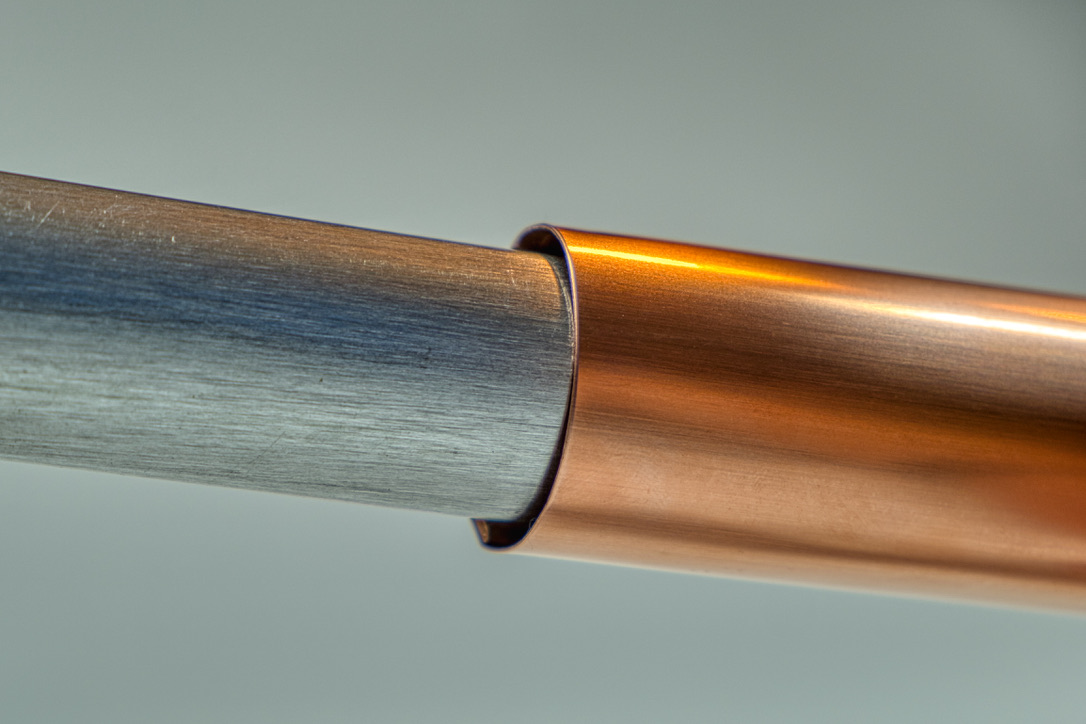
Synergi’s copper sleeves c. 2020
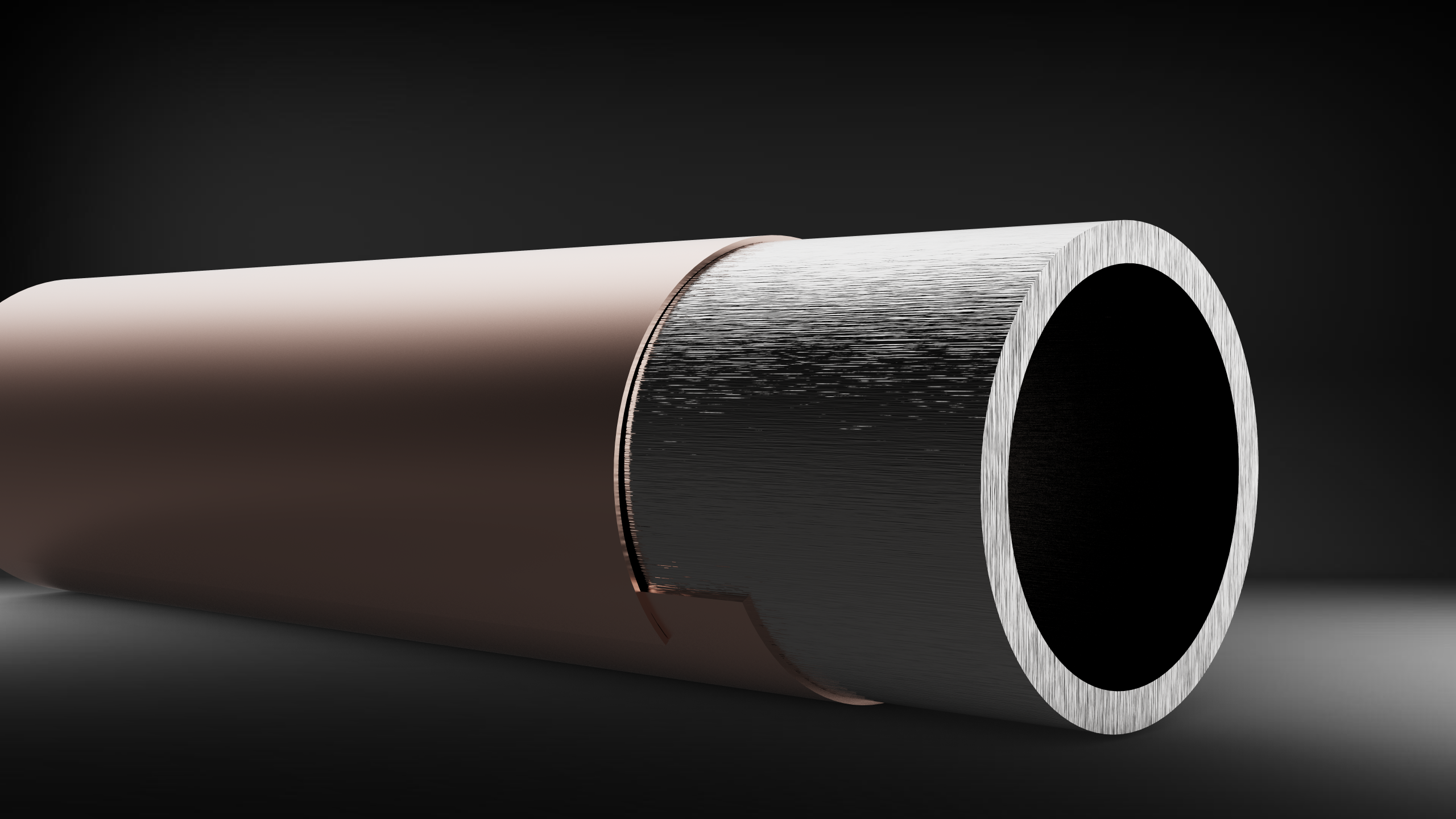
Synergi’s copper sleeves c. 2020
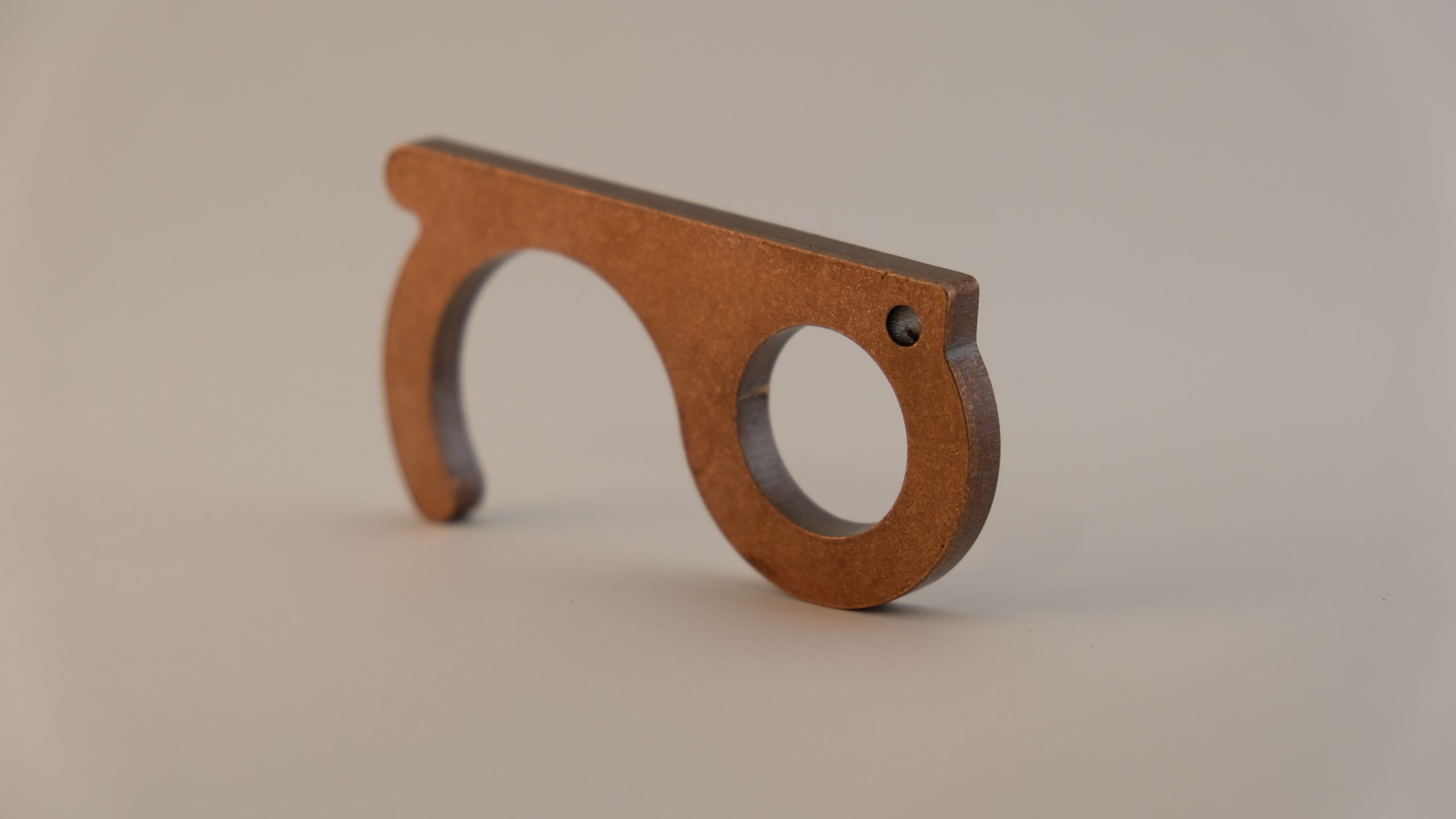
Synergi’s zero-contact copper key c. 2020
That work revealed that material choice carries weight beyond aesthetics or specification. Even with strong evidence around performance, adoption in public and healthcare environments continues to be shaped as much by convention and familiarity as it is by science.
It also brought the conversation closer to something more fundamental for us: how the built environment responds when conditions change, and what responsibility looks like in that moment.
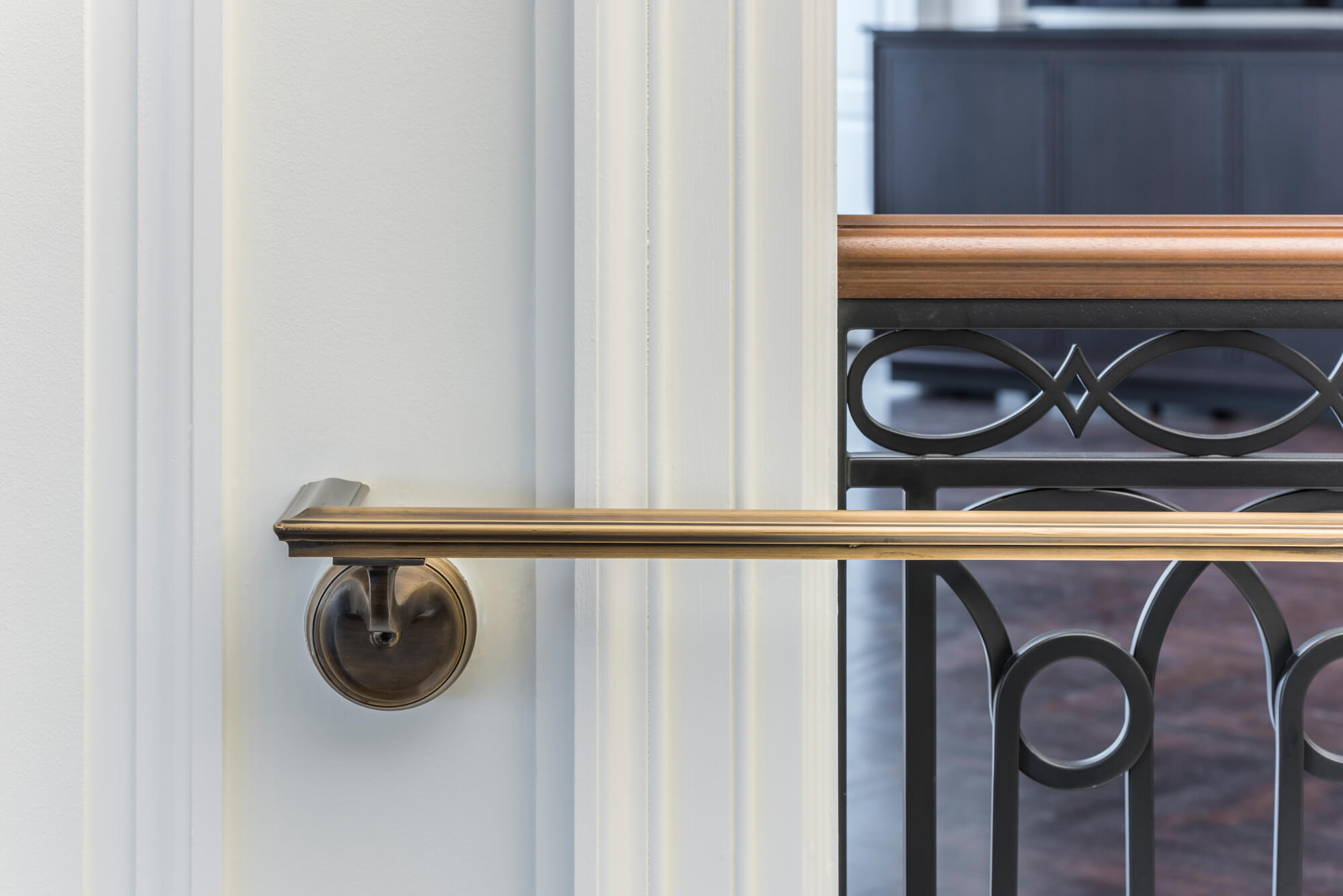
Synergi’s handrails at 1785 Massachusetts Ave.
Rather than a departure from Synergi’s brand, this period felt like a test of something we’ve always relied on, the ability to take what we know, apply it under pressure, and build something that meets the moment.
Looking back now, that chapter says a lot about who we are. Not because it was during a global crisis, but because of how we responded to it. After 40 years, that instinct to adapt, pivot, and make something useful out of uncertainty isn’t new. It’s something that’s been shaped over time, project by project, challenge by challenge.
Materials change. Circumstances change. That mindset doesn’t.
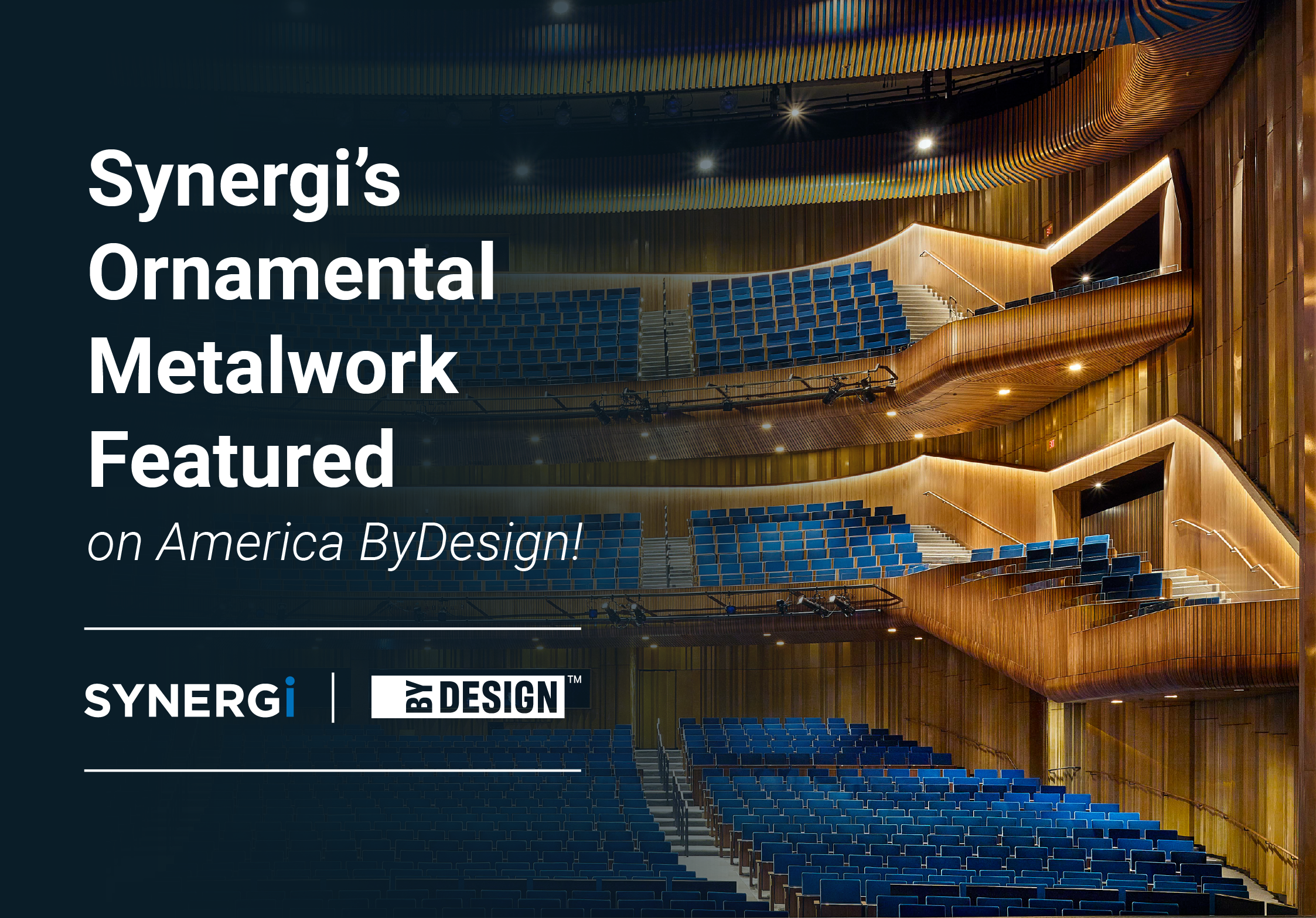
Synergi Returns to Primetime on America ByDesign featuring Capital One Hall