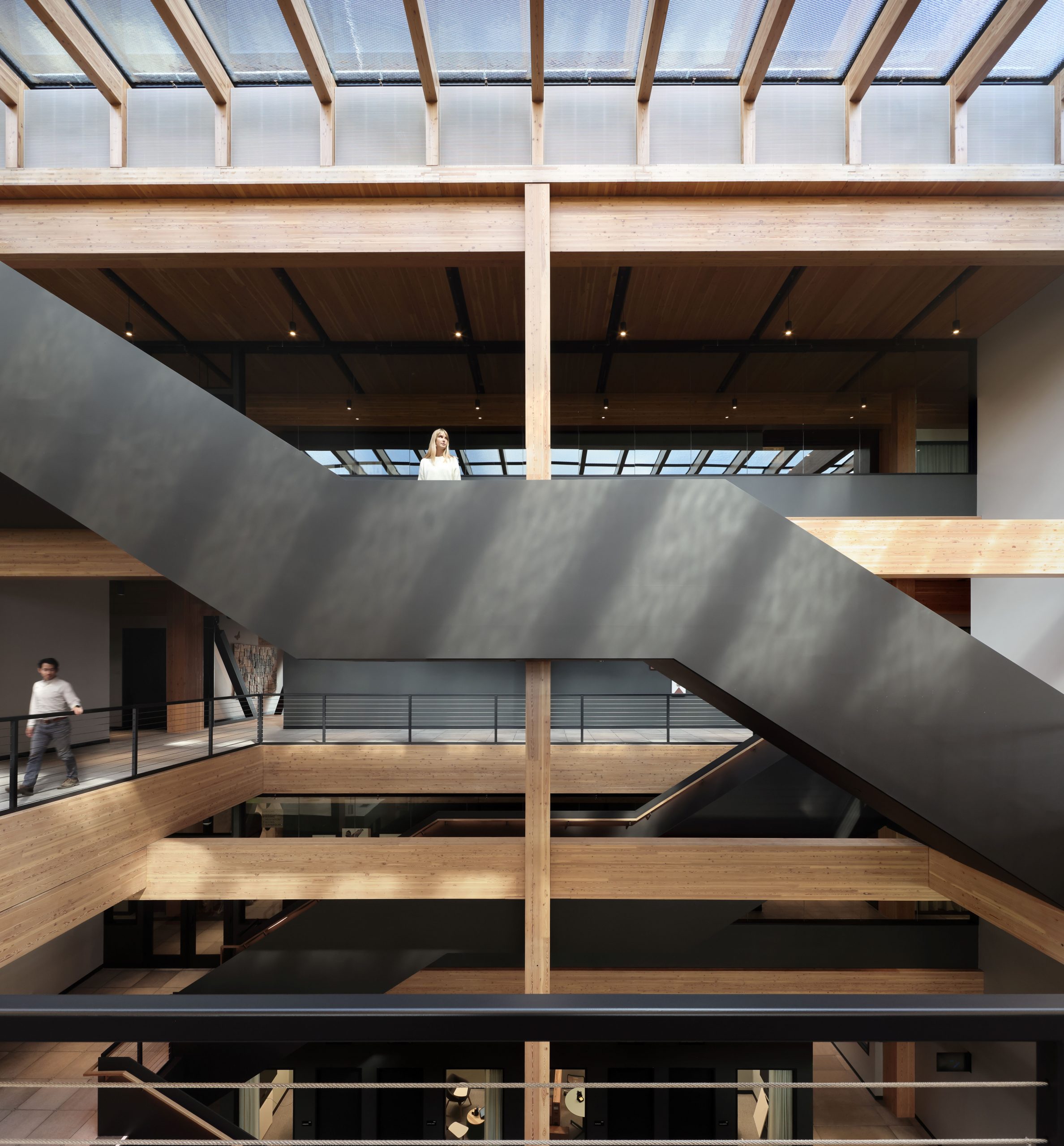
Creating Accessible and Elegant Stairs with Universal Design Guidelines
Editor’s Note: The following is an overview of the "Universal Design Guidelines for Feature Stairs," by Synergi LLC.
In today’s world, inclusive design is more crucial than ever. Our built environments should cater to everyone, including those with disabilities, the elderly, and children. The “Universal Design Guidelines for Feature Stairs” aim to bridge the gap between aesthetic appeal and functionality, ensuring safety and accessibility for all users.
Why Embrace Universal Design?
Universal design goes beyond compliance. It enhances user experience, increases property value, and demonstrates a commitment to inclusivity. Our guidelines provide practical solutions to common challenges in stair design, such as visibility, walkability, and structural integrity.
Key Features of the Guidelines:
Enhanced Safety: Incorporate non-slip surfaces, adequate lighting, and clear visibility markings to prevent accidents.
Accessibility: Design stairs that accommodate people with mobility impairments and low vision.
Aesthetic Appeal: Balance functionality with beautiful design elements to create visually appealing and practical stairs.
Who Benefits?
Architects and Designers: Gain insights into integrating universal design principles into your projects.
Building Owners: Increase your property’s inclusivity and market value.
Facility Managers: Improve safety and accessibility in public spaces, reducing liability and enhancing user satisfaction.